St. Petersburg Sliding Doors Repairs for Patio and Glass Doors
St. Petersburg Sliding Doors Repairs for Patio and Glass Doors
Blog Article
Maintaining Sliding Doors for Effortless and Functional Use
Sliding doors play a significant role to improving both ease of use and beauty in homes. However, they might deal with various issues that disrupt their functionality. Misalignment, worn rollers, and debris in the tracks are common problems. Regular maintenance is vital to provide smooth operation. Homeowners should be conscious of these indications of damage and how to manage them effectively. Understanding the basic causes can result in more effective solutions. What steps should be taken to preserve these essential features?
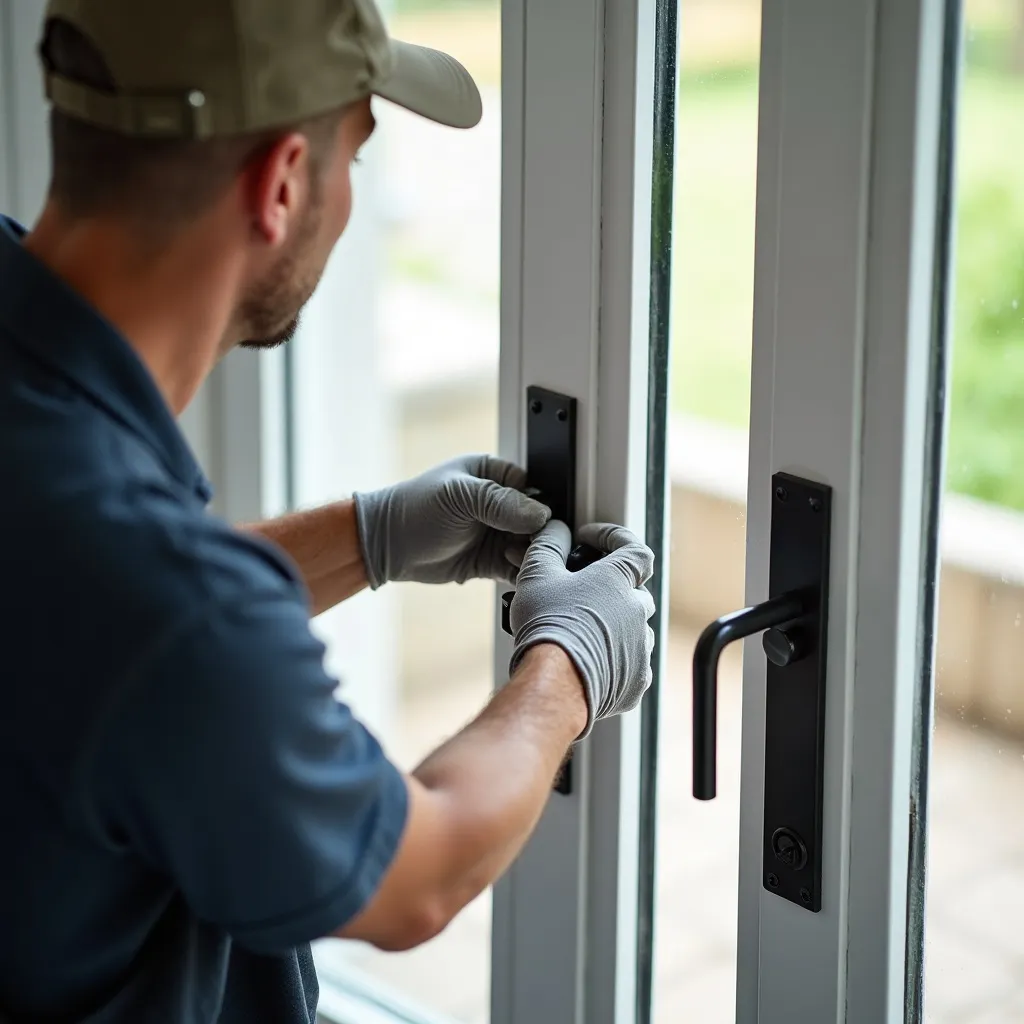
Frequent Problems With Sliding Doors You Ought to Understand
Sliding doors, while practical and attractive, often face a variety of typical problems that can interfere with their operation. One common issue is misalignment, which can cause the door to stick or become difficult to open and close. Dirt and debris accumulation in the track can exacerbate this problem, leading to further operational challenges. Moreover, worn-out rollers may impede fluid motion, creating a rough or inconsistent glide.
A frequent concern is damaged tracks, which can occur due to impact or prolonged wear, making it difficult for the door to move smoothly. Seal strips may also deteriorate over time, lowering thermal performance and allowing drafts. Ultimately, latches can malfunction, affecting safety. Understanding these issues is essential for proper upkeep and timely repairs, guaranteeing sliding doors stay both operative and visually appealing.
Detailed Step-by-Step Walkthrough to Repositioning Your Sliding Door
A properly aligned sliding door is fundamental for easy operation and security. To realign a sliding door, one should start by examining the door's tracks for debris or obstructions. Cleaning the tracks ensures that the door can glide without resistance. Next, inspect the door's rollers for wear and tear, because impaired rollers can influence alignment.
With a screwdriver, fine-tune the elevation of the rollers; rotating the adjustment screws can raise or drop the door. After adjusting, carefully slide the door back and forth to test its movement. If the door still does not align properly, extra modifications may be necessary.
Finally, ensure that the door is properly positioned within the frame. This process may necessitate several attempts to accomplish the best alignment. Regular maintenance of the door and its components will prevent future misalignment, assuring long-term reliable operation.
How to Change Damaged Rollers and Tracks
During the maintenance of sliding doors, identifying worn-out rollers and tracks proves essential for achieving smooth operation. Signs of deterioration can feature trouble sliding or visible damage affecting the components. Accurately replacing these parts improves both functionality and extends how long the door system lasts.
Detecting Impaired Rollers
Recognizing worn-out rollers is important to maintain the efficiency of sliding doors. With time, rollers degrade as a result of persistent friction and exposure to dirt and moisture. Indicators of wear include trouble when sliding open or closing the door, uneven movement, or apparent damage like cracks or chips. A visual inspection of the rollers can reveal inconsistencies; they should rotate smoothly without resistance. Also, checking for dirt or debris lodged in the track can assist in determining the rollers' proper function. When rollers show damage or fail to glide smoothly, replacement is required to regain optimal performance. Prompt detection and response can avoid additional problems and ensure the sliding door system lasts longer.
Correctly Replacing Tracks
Deteriorated rollers often indicate that the tracks of sliding doors may also require attention. To install tracks properly, one must first take out the sliding door by lifting it out from the bottom. Next, the old tracks should be unfastened and taken out cautiously. Sanitizing the area where the new tracks will be installed is essential to ensure smooth operation. When selecting replacement tracks, it is important to choose the correct size and type that matches the door system. After positioning the new tracks, they should be securely fastened with screws. Finally, the door can be put back by aligning the rollers with the new tracks, making sure everything functions smoothly. Regular maintenance can prolong the life of both rollers and tracks.
Repairing Seals and Weatherstripping
Fixing door seals and weather strips is essential for preserving the comfort and energy efficiency of sliding doors. The integrity of these components prevents drafts, moisture intrusion, and pest entry, making their state a priority for homeowners. Selecting the right weatherstripping materials additionally improves durability and effectiveness in sealing gaps.
Relevance Of Seal Integrity
Seal integrity plays an crucial role in the overall functionality of sliding doors. Properly operating seals maintain energy efficiency by blocking air leaks, which can lead to higher heating and cooling costs. Additionally, they protect the interior from dampness, dust, and pests, guaranteeing a more comfortable living environment. When seals are compromised, it can result in water damage, mold growth, and decline of the door's components. Regular examination and maintenance of weatherstripping and seals are vital for sustaining their effectiveness. A properly cared-for seal not only contributes to the longevity of the sliding door but also enhances its aesthetic appeal. As a result, prioritizing seal integrity is critical for any homeowner looking for reliable and efficient sliding door operation.
Determining Weather Sealing Choices
When selecting weatherstripping materials, homeowners should evaluate elements such as durability, insulation properties, and compatibility with their specific sliding door design. Common materials consist of foam, vinyl, and rubber, each offering distinct advantages. Foam is lightweight and delivers good insulation, while vinyl is resistant to moisture and wear. Rubber, recognized for its longevity, provides superior sealing performance. It's crucial to determine the door's dimensions precisely to ensure a proper fit. Property owners should also assess local climate conditions, as some materials function better in extreme temperatures. Ultimately, the right weatherstripping not only enhances energy efficiency but also contributes to smoother operation and extends the lifespan of sliding doors, helping to maintain a comfortable home environment.
Tools Necessary for Sliding Door Fixes
Collecting the appropriate gear is critical for proficient sliding door repairs. A core set of tools should contain a set of screwdrivers, including both flathead and Phillips choices, to remove and adjust screws. Plier sets are vital for manipulating and gripping small elements. A cutting tool helps with sectioning weatherstripping plus other materials precisely.
Additionally, a level ensures that the door is properly aligned, avoiding future operational issues. A tape measure allows for accurate gauging of door frames and openings. Oils, such as silicone spray, are essential for securing seamless functionality after repairs.
If the door requires more substantial work, a hammer may be required for modifying frames or copyrights. Finally, a vacuum or brush helps clear debris from tracks, ensuring optimal functionality. Having these tools on hand can significantly enhance the efficiency and effectiveness of sliding door repairs.
Preventive Maintenance Recommendations for Sliding Doors
Proactive care of patio doors can greatly extend their lifespan and boost their functionality. Frequent upkeep is necessary; dirt and debris often gather inside the tracks, leading to operational problems. A easy fix is to vacuum the tracks and then clean them with a slightly wet cloth. Applying lubricants is another vital part; using a silicone lubricant on the rollers and tracks ensures smooth movement.
Additionally, inspecting the rollers and see now tracks for wear and tear can avoid larger issues. Any indicators of rust or damage should be handled immediately. Checking the positioning of the door is also essential; improper alignment can cause unwarranted strain on the system. Finally, verifying that the door seals are undamaged prevents drafts and energy loss, contributing to overall performance. By adhering to these proactive maintenance tips, homeowners can experience the seamless operation of their sliding doors for years to come.
When should you contact a professional about patio door problems?
Routine maintenance can substantially decrease the chance of encountering problems with sliding doors; however, various problems may still arise that demand professional intervention. Homeowners ought to consider obtaining professional assistance when the door becomes hard to open or close, as this often suggests a misalignment or worn track. Recurring noise during functioning, including grinding or scraping, can reveal issues with the rollers or hardware that may need professional care.
Additionally, if the door does not seal correctly, causing drafts or water leaks, skilled support is necessary to ensure proper installation and prevent further damage. Breaks or cracks in the glass need immediate expert inspection to guarantee safety and security. Ultimately, catching these signs early can reduce more extensive repairs and guarantee smooth, functional operation of sliding doors. Working with a professional can supply the expertise and tools necessary for effective resolution.
Common Inquiries Answered
How often Should I service My Sliding Door Tracks with lubricant?
Experts suggest lubricating sliding door tracks every six months to guarantee optimal functionality. Routine upkeep prevents dirt accumulation and wear, promoting smooth operation and prolonging the lifespan of the sliding door mechanisms effectively.
Is It Possible to Restore Sliding Doors During Winter?
Yes, patio doors can be repaired in winter. However, cold weather conditions may affect materials and adhesives, potentially hindering the process. Proper precautions and appropriate products can guarantee successful repairs, regardless of the season.
What Components Are Ideal for Sliding Door Gaskets?
Superior-quality materials for sliding door seals feature silicone, rubber, and vinyl. These materials deliver excellent insulation, durability, and weather resistance, ensuring effective sealing against drafts and moisture while maintaining smooth operation throughout the year.
Are do-it-yourself fixes possible for noisy sliding doors?
Indeed, multiple DIY fixes are available for loud sliding doors. Lubricating tracks, securing screws, and cleaning debris can greatly reduce noise. Moreover, adjusting rollers or changing seals may improve operation and reduce sound disruptions.
What Steps Should I Take to Prevent My Sliding Door From Binding?
To avoid a moving door from jamming, confirm the track is clean and debris-free, lubricate the rollers with spray lubricant, and check for wear or alignment issues that may require realignment or fixing.
Report this page